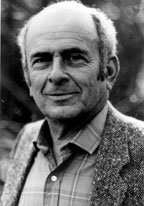
Льюис Симпсон

Английская поэзия · XX век

Льюис Симпсон

Louis Simpson

Родился в Британской Вест-Индии. С 1940г. живёт в США. Во время второй мировой войны служил в армии. Затем окончил Колумбийский университет. Преподаёт в Калифорнийском университете. Опубликовал несколько сборников стихов и два романа. Пулитцеровская премия 1964.

  • род. 1923
  • 6 стихотворений
  • Переводы: Яков Фельдман

Содержание

Перевод · оригинал

  1. Он взял Магдалину в женыThe man who married Magdalene
  2. РАССКАЗ ПРО ЦЫПЛЯЧИЙ СУПA story about chicken soup
  3. ЯСЕНЬ И ДУБThe Ash and the Oak
  4. Королева смуглаяEarly in the morning
  5. ПАСТОРАЛЬTHE GREEN SHEPHERD
  6. Про любовьThe Custom Of The World
Как читать

Он взял Магдалину в жены

The man who married Magdalene

Оригинал

The man who married Magdalene Had not forgiven her God might pardon every sin Love is no pardonet.

Her hands were hollow, pale and blue, Her mouth like watered wine. He watched to see if she were true And waited for a sign.

It was old harlotry, he guessed That drained her strength away, So gladly for the dark she dressed, So sadly for the day.

Their quarrels made her dull and weak And soon a man might fit A penny in the hollow cheek And never notice it.

At last, as they exhausted slept, Death granted the divorce. And nakedly the woman leapt Upon the narrow horse.

But when he woke and woke alone He wept and would deny The loose behaviour of the bone And the immodest thigh.

Перевод

Он взял Магдалину в жены, Но он ее не простил. Бог все грехи прощает, Для людей это свыше сил.

Руки ее во вмятинах Пусты и бледны в синеву. А рот – как вино со стоячей водой. А он – про ее вину.

Он понял, она была шлюхой. Вот и силы уже не те. Она очень любит, когда темно, И очень не любит день.

От ссор она отупела, В морщинах – монеты прячь. Однажды ночью явилась смерть И обе умчались вскачь

Мужу развод – подарок. А он проснулся – один И долго рыдал и плакал И места не находил.

РАССКАЗ ПРО ЦЫПЛЯЧИЙ СУП

A story about chicken soup

Оригинал

In my grandmother's house there was always chicken soup And talk of the old country--mud and boards, Poverty, The snow falling down the necks of lovers. Now and then, out of her savings She sent them a dowry. Imagine The rice-powdered faces! And the smell of the bride, like chicken soup. But the Germans killed them. I know it's in bad taste to say it, But it's true. The Germans killed them all. * In the ruins of Berchtesgaden A child with yellow hair Ran out of a doorway. A German girl-child--- Cuckoo, all skin and bones--- Not even enough to make chicken soup. She sat by the stream and smiled. Then as we splashed in the sun She laughed at us. We had killed her mechanical brothers, So we forgave her. * The sun is shining. The shadows of the lovers have disappeared. They are all eyes; they have some demand on me--- They want me to be more serious than I want to be. They want me to stick in their mudhole Where no one is elegant. They want me to wear old clothes, They want me to be poor, to sleep in a room with many others--- Not to walk in the painted sunshine To a summer house, But to live in the tragic world forever.

Перевод

У моей бабушки дома всегда был цыплячий суп. Разговоры о прежнем – грязь и границы Бедность Снег, падающий на шеи любовников.

Из своих сбережений Она посыла приданое. Вообразите Эти лица под рисовой пудрой! Запах невесты похож на цыплячий суп.

Но немцы убили всех. Я знаю, об этом не принято, Но это правда - немцы убили всех.

* * * В руинах Бурхтегстаден Ребенок с желтыми волосами Выбежал из дверей Немецкая девочка – крошка, Кукушонок, кожа да кости, Не хватит даже сделать цыплячий суп. Она села и засмеялась.

Мы появились на солнце. Она смеялась над нами Мы уже убили ее механических братьев И ее мы простили.

* * * Солнце сияет. Тени любовников тают. Глаза остаются. От меня он требуют Быть серьезным, Остаться в их грязной дыре, Где нет элегантных Донашивать старые тряпки Быть бедным, Спать в комнате общей со всеми Не гулять в разноцветном солнце К летнему дому, Но жить в этом трагическом мире Вечно

ЯСЕНЬ И ДУБ

The Ash and the Oak

Оригинал

When men discovered freedom first The fighting was on foot, They were encouraged by their thirst And promises of loot, And when it feathered and bows boomed Their virtues was a root.

O the ash and the oak and the willow tree And the green grows the grass on the infantry;

At Malplaquet and Waterloo They were polite and proud, They primed their guns with billet-doux And, as they fired, bowed. At Appomatox too, it seems Some things were understood.

O the ash and the oak and the willow tree And the green grows the grass on the infantry;

But at Verdun and at Bastogne There was a great recoil, The blood was bitter to the bone The trigger to the soul, And death was nothing if not dull, A hero was a fool.

O the ash and the oak and the willow tree And that’s the end of the infantry.

Перевод

Когда свобода родилась Все были на ножах. Тогда любили драться всласть И ради грабежа. И стрелы пели - жжа, жжа! И доблесть родилась.

То ли ясень, то ли дуб, Ивы - дерева. Нашей юности была Зелена трава.

Под Ватерлоо, под Мальпаке Достоинство блюли. Там соблюдали этикет, Старались, как могли. Записками любовными Зарядят пушки - пли!

То ли ясень, то ли дуб, Ивы - дерева. Нашей юности была Зелена трава.

Пришёл Бостон, пришёл Верден, Не стало чем дышать. Прогоркла кровь в глубинах вен, Отравлена душа. И смерть не стоит ни гроша, И подвиг - ни шиша.

Зелена была трава - Больше не расти. Вот и кончилась пора Нашей юности.

Перевод: Яков Фельдман

Королева смуглая

Early in the morning

Оригинал

Early in the morning The dark Queen said, “The trumpets are warning There’s trouble ahead.” Spent with carousing, With wine-soaked wits Anthony drowsing Whispered, “It’s To cold a morning To get out of bed”

The army’s retreating, The fleet has fled, Caesar is beating His drums through the dead. “Anthony, horses! We’ll get away, Gather other forces For another day…” “It’s a cold morning,” Anthony said.

Caesar Augustus Cleared his phlegm. “Corpses disgust us. Cover them.” Caesar Augustus In his time lay Dying, and just as Cold as they, On the cold morning Of a cold day.

Перевод

Рано по утру Горнами напугана: "Это не к добру." После попойки Из царской койки Антоний мудро Решил сказать: "Холодное утро - Жалко вылезать."

Армия в панике. Флот на дне. Цезарь в Африке. "Антоний, коней! Я готовить буду Битву новых дней. Ты не слышишь будто?" "Холодное утро" - Антоний ей.

Цезарь Август Устал и сник: "Трупы - гадость. Прикройте их." Цезарь благородный - Приходит день - Лежит холодный, Совсем, как те, В холодное утро, В холодный день.

Перевод: Яков Фельдман

ПАСТОРАЛЬ

THE GREEN SHEPHERD

Оригинал

Here sit a shepherd and a shepherdess, He playing on his melancholy flute; The sea wind ruffles up her simple dress And shows the delicacy of her foot.

And there you see Constantinople's wall With arrows and Greek fire, molten lead; Down from a turret seven virgins fall, Hands folded, each one praying on her head.

The shepherd yawns and puts his flute away. It's time, she murmurs, we were going back. He offers centain reasons she should stay - But neither sees the dragon on their track.

A dragon like a car in a garage Is in the wood, his long tail sticking out. Here rides St. George, swinging his sword and targe, And sticks the grinning dragon in the snout.

Puffing a smoke ring, like the sigarette Over Times Sguare, Sir Dragon snorts his last. St. George takes off his armor in a sweat. The Middle Ages have been safely passed.

Перевод

На лугу сидит пастушка, Перед ней сидит пастух. Он играет ей на флейте, Услаждает нежный слух.

Вот подует с моря ветер, Припонимет платья край - Ее стройные коленки Нас уносят прямо в рай.

Вот стоит Константинополь, Льется греческий огонь. От корабликов сожженных Черный дым и злая вонь.

Семь молящихся девиц Выпадают из бойниц. Неудобно им молиться, Выпадая сверху вниз.

Пастушок слегка зевает, Вид у девы утомлен. И никто из них не знает, Что в лесу притих дракон.

Он сидит в засаде, в роще, Как машина в гараже. На него Святой Георгий Заточил копье уже.

Он проткнет дракону морду И поднимет к небу щит. Так и слышно, как в желудке У дракона заурчит.

Богатырь доспехи снимет И расслабится слегка. Так удачно завершились Эти Средние Века.

Про любовь

The Custom Of The World

Оригинал

O, we loved long and happily, God knows! The ocean danced, the green leaves tossed, the air Was filled with petals, and pale Venus rose When we began to kiss. Kisses brought care, And closeness caused the taking off of clothes. O, we loved long and happily, God knows! 'The watchdogs are asleep, the doormen doze...' We huddled i the corners of the stair, And then we climbed it. What had we to lose? What would we gain? The best way to compare And quickest, was by taking off our clothes. O, we loved long and happily, God knows! Between us two a silent treason grows, Our pleasures have been changed into despair. Wild is the wind, from a cold country blows, In which these tender blossoms disappear. And did this come of taking off our clothes? O, we loved long and happily, God knows! Mistress, my song is drawing to a close. Put on your rumpled skirt and comb your hair, And when we meet again let us suppose We never loved or ever naked were. For though this nakedness was good, God knows, The custom of the world is wearing clothes.

Перевод

О, мы любили счастливо и долго. Плясало море, листья зеленели. Бледнели розы перед нашей страстью И ветер был наполнен лепестками. Мы начинали с тихих поцелуев И, распаляясь медленно, но верно, Отбрасывали все, что нам мешало. Да, мы любили счастливо и жадно. Собаки спали, сторожа дремали. Мы забивались в лестничную клетку Мы по ступенькам поднимались кверху. Что мы теряли, что приобретали? Иллюзии теряли и одежду. Да мы любили счастливо и нежно. Но трещина, отчаянье и ветер. Холодный ветер из холодной дали, Унес цветы и лепестки увяли. Мы, видно, слишком часто раздевались? Да, мы любили, да. Но мы расстались. Так, госпожа, кончается поэма. Надень рубашку и поправь прическу. И притворись, что мы с тобой чужие. И прежде никогда не раздевались. И сквозь одежду миру улыбылись.

↑