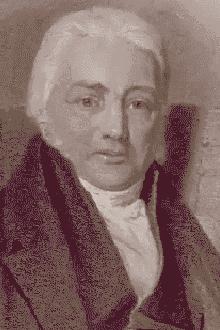
Самюэль Тэйлор Кольридж

Английская поэзия · XIX век

Самюэль Тэйлор Кольридж

Samuel Taylor Coleridge

  • 1772 — 1834
  • 4 стихотворения
  • Переводы: Яков Фельдман

Содержание

Перевод · оригинал

  1. "Лебедь пред смертью поёт..."Swans sing before they die
  2. РАССКАЗ СТАРОГО МОРЯКА>Rime of the ancyent Marinere
  3. В природе деньAll Nature seems at work. Slugs leave their lair
  4. Реальность и Фантазия, аллегорияTime, Real and Imaginary. An Allegory
Как читать

"Лебедь пред смертью поёт..."

Swans sing before they die

Оригинал

Swans sing before they die - 'twere no bad thing Should certain persons die before they sing

Перевод

Лебедь пред смертью поёт. Я же советую многим, Яро желающим петь - Смерти отведать сперва.

Перевод: Яков Фельдман

РАССКАЗ СТАРОГО МОРЯКА>

Rime of the ancyent Marinere

Оригинал

1 It is an ancyent Marinere, 2 And he stoppeth one of three : 3 " By thy long grey beard and thy glittering eye 4 " Now wherefore stoppest me ? 5 " The Bridegroom's doors are open'd wide 6 "And I am next of kin ; 7 " The Guests are met, the Feast is set,-- 8 " May'st hear the merry din.

9 But still he holds the wedding-guest-- 10 There was a Ship, quoth he-- 11 "Nay, if thou'st got a laughsome tale, 12 "Marinere! come with me." 13 He holds him with his skinny hand, 14 Quoth he, there was a Ship-- 15 "Now get thee hence, thou grey-beard Loon! 16 "Or my Staff shall make thee skip. 17 He holds him with his glittering eye-- 18 The wedding guest stood still 19 And listens like a three year's child; 20 The Marinere hath his will. 21 The wedding-guest sate on a stone, 22 He cannot chuse but hear: 23 And thus spake on that ancyent man, 24 The bright-eyed Marinere.

25 The Ship was cheer'd, the Harbour clear'd-- 26 Merrily did we drop 27 Below the Kirk, below the Hill, 28 Below the Light-house top. 29 The Sun came up upon the left, 30 Out of the Sea came he: 31 And he shone bright, and on the right 32 Went down into the Sea. 33 Higher and Higher every day, 34 Till over the mast at noon-- 35 The wedding-guest here beat his breast, 36 For he heard the loud bassoon. 37 The Bride hath pac'd into the Hall, 38 Red as a rose is she; 39 Nodding their heads before her goes 40 The merry Minstralsy.

41 The wedding-guest he beat his breast 42 Yet he cannot chuse but hear: 43 And thus spake on that ancyent Man, 44 The bright-eyed Marinere. 45 Listen, Stranger! Storm and Wind, 46 A Wind and Tempest strong! 47 For days and weeks it play'd us freaks-- 48 Like Chaff we drove along. 49 Listen, Stranger! Mist and Snow, 50 And it grew wond'rous cauld: 51 And Ice mast-high came floating by 52 As green as Emerauld. 53 And thro' the drifts the snowy clifts 54 Did send a dismal sheen; 55 Ne shapes of men ne beasts we ken-- 56 The Ice was all between.

57 The Ice was here, the Ice was there, 58 The Ice was all around: 59 It crack'd and growl'd, and roar'd and howl'd-- 60 Like noises of a swound. 61 At length did cross an Albatross, 62 Thorough the Fog it came; 63 And an it were a Christian Soul, 64 We hail'd it in God's name. 65 The Marineres gave it biscuit-worms, 66 And round and round it flew: 67 The Ice did split with a Thunder-fit; 68 The Helmsman steer'd us thro'. 69 And a good south wind sprung up behind, 70 The Albatross did follow; 71 And every day for food or play 72 Came to the Marinere's hollo!

73 In mist or cloud on mast or shroud 74 It perch'd for vespers nine, 75 Whiles all the night thro' fog-smoke white 76 Glimmer'd the white moon-shine. 77 "God save thee, ancyent Marinere! 78 "From the fiends that plague thee thus-- 79 "Why look'st thou so?"--with my cross bow 80 I shot the Albatross.

81 The Sun came up upon the right, 82 Out of the Sea came he; 83 And broad as a weft upon the left 84 Went down into the Sea. 85 And the good south wind still blew behind, 86 But no sweet Bird did follow 87 Ne any day for food or play 88 Came to the Marinere's hollo! 89 And I had done an hellish thing 90 And it would work 'em woe; 91 For all averr'd, I had kill'd the Bird 92 That made the Breeze to blow.
Перевод

Старый моряк на дороге, из трёх Остановил одного. "Седобородый, огонь в глазах, Тебе от меня чего?

Видишь - двери в дом жениха А я у него дружком. Сходятся гости, Некогда, после, Слышишь - шумит дом?"

Но тут, сверкая глазами, моряк Вцепился в него, как клещ: "Был крепким корабль, Был чистым фарватер..." Он продолжал речь.

Вот и невеста вышла к гостям, Наряжена и свежа. И дружка дёрнулся, но моряк Крепко его держал.

"Мы вышли из гавани в ясный день, Миновали её маяк. И солнце светило нам в левый глаз, И мы продолжали так. А дальше в море нас встретил шторм, Он гнал нас и бил крылом. И, мачты склонив, мы пошли за ним, - Только туман кругом. Лёд был зелёным. как изумруд, И белым, как сахар снег. Зверь ни один сюда не ходил, Тем более - человек. А над кормою завис Альбатрос, Как южного моря дух. И мы кричали ему, а он Махал нам крылом, как друг." "Что ж ты осёкся, старый моряк, От чего ты так побледнел?" "Я поднял арбалет и его убил, Зажарил его и съел. И за это зло всех море взяло, Меня не считая - всех. А меня оставил Господь одного Замаливать тяжкий грех"

Перевод: Яков Фельдман

В природе день

All Nature seems at work. Slugs leave their lair

Оригинал

1 All Nature seems at work. Slugs leave their lair-- 2 The bees are stirring--birds are on the wing-- 3 And Winter slumbering in the open air, 4 Wears on his smiling face a dream of Spring! 5 And I the while, the sole unbusy thing, 6 Nor honey make, nor pair, nor build, nor sing.

7 Yet well I ken the banks where amaranths blow, 8 Have traced the fount whence streams of nectar flow. 9 Bloom, O ye amaranths! bloom for whom ye may, 10 For me ye bloom not! Glide, rich streams, away! 11 With lips unbrightened, wreathless brow, I stroll: 12 And would you learn the spells that drowse my soul? 13 Work without Hope draws nectar in a sieve, 14 And Hope without an object cannot live.

Перевод

В природе день: улитки лижут листья, Жужжит пчела, летает стая птиц. Лишь я один подвержен небылицам, Я целиком под властью небылиц. Сопит Зима, на тёплом солнце дремлет, В её улыбке светится Весна. Лишь мой рассудок небылицам внемлет В объятиях бессмысленного сна. Но там, где сон с реальностью не связан, И там, где труд с надеждой не знаком, Там пустота. За творческим экстазом Не увязаться слабым языком.

Перевод: Яков Фельдман

Реальность и Фантазия, аллегория

Time, Real and Imaginary. An Allegory

Оригинал

On the wide level of a mountain's head, (I knew not where, but 'twas some faery place), Their pinions, ostrich-like, for sails outspread, Two lovely children runs an endless race, A sister and a brother! This far outstripped the other; Yet even runs she with reverted face, And looks and listens for the boy behind: For he, alas! Is blind! O'er rough and smooth with even step he passed, And knows not whether he be first or last.

Перевод

Зеленые морские воды, Барашки в ряд. На берегу, слегка поодаль - Сестра и брат.

Она внимательно глядела Ему во след И окликала то и дело. Но он был слеп!

И он был глух к ее призывам - Лишь моря шум Ему младой, нетерпеливый Дурманил ум.

Он шел к воде, волна катилась, Накроет - Ах! И счастье тихое светилось В его чертах.

Биография

Родился в семье викария. Учился в Лондоне и Оксфорде, готовился стать священником. Из-за несчастливой любви и под влиянием идей Французской революции бросает учёбу и поступает в драгунский полк под вымышленным именем. Там знакомится с Саути, они дружат до 1797. Вместе они планирую основать коммуну, пишут драму в стихах, выступают с лекциями, женятся на сёстрах. Кольридж публикует серию сонетов, редактирует журнал. В 1796 знакомится с Вордсвортом. В 1796 году выходит их совместный сборник. В 1798-1799 гг они вместе посещают Германию. Кольридж слушает лекции в Геттингенском университете. Вместе с Вордсвортом публикует эстетическую пограмму "Озерной школы" в предисловии ко второму изданию их совместного сборника. Разочаровавшись во Французской революции изучает Канта, Шиллера, Шеллинга. Переводит пьесу Шиллера в стихах "Валленштайн" Пишет статьи для "Morning Post", поэмы. Работает на о. Мальта секретарём губернатора. Посещает Италию и Сицилию. Пишет серию лекций о поэзии и драме. В 1811 ссорится с Вордсвортом, переезжает в Лондон. В 1811-1814 он на грани самоубийства. С 1814 постепенно выздоравливает, увлекается христианством, переводит Канта. Издаёт книги стихов, трактаты по философии и литературе, выступает с лекциями. Умирает от сердечного приступа.

↑